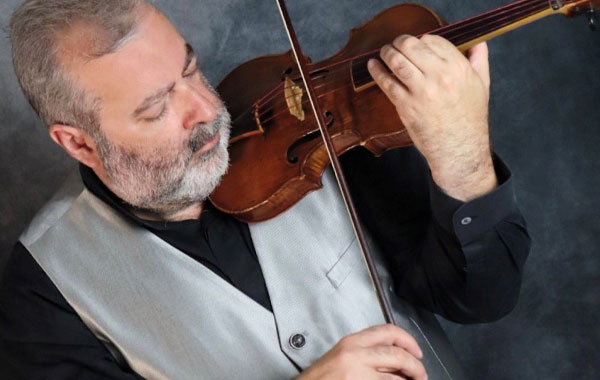
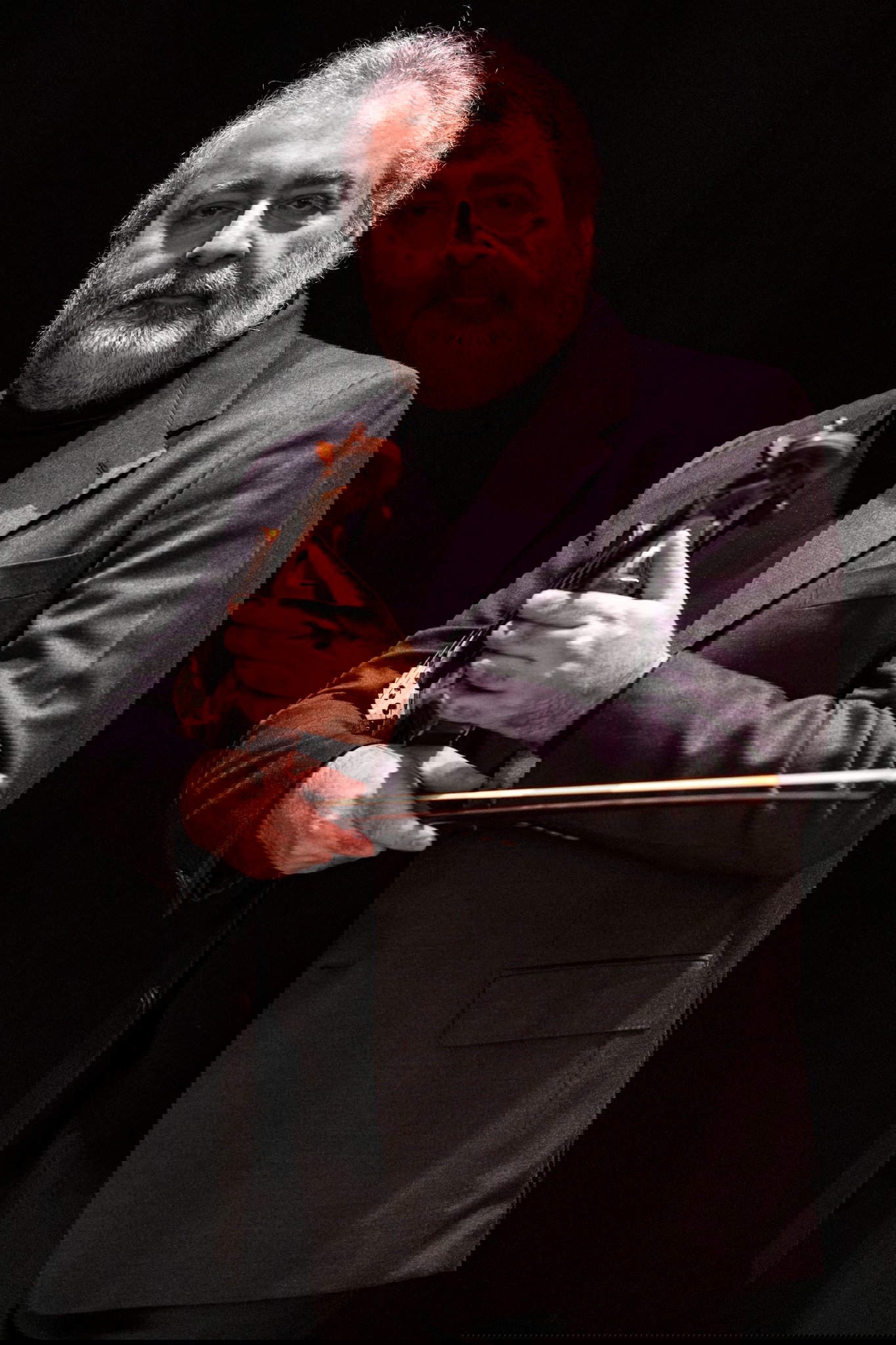
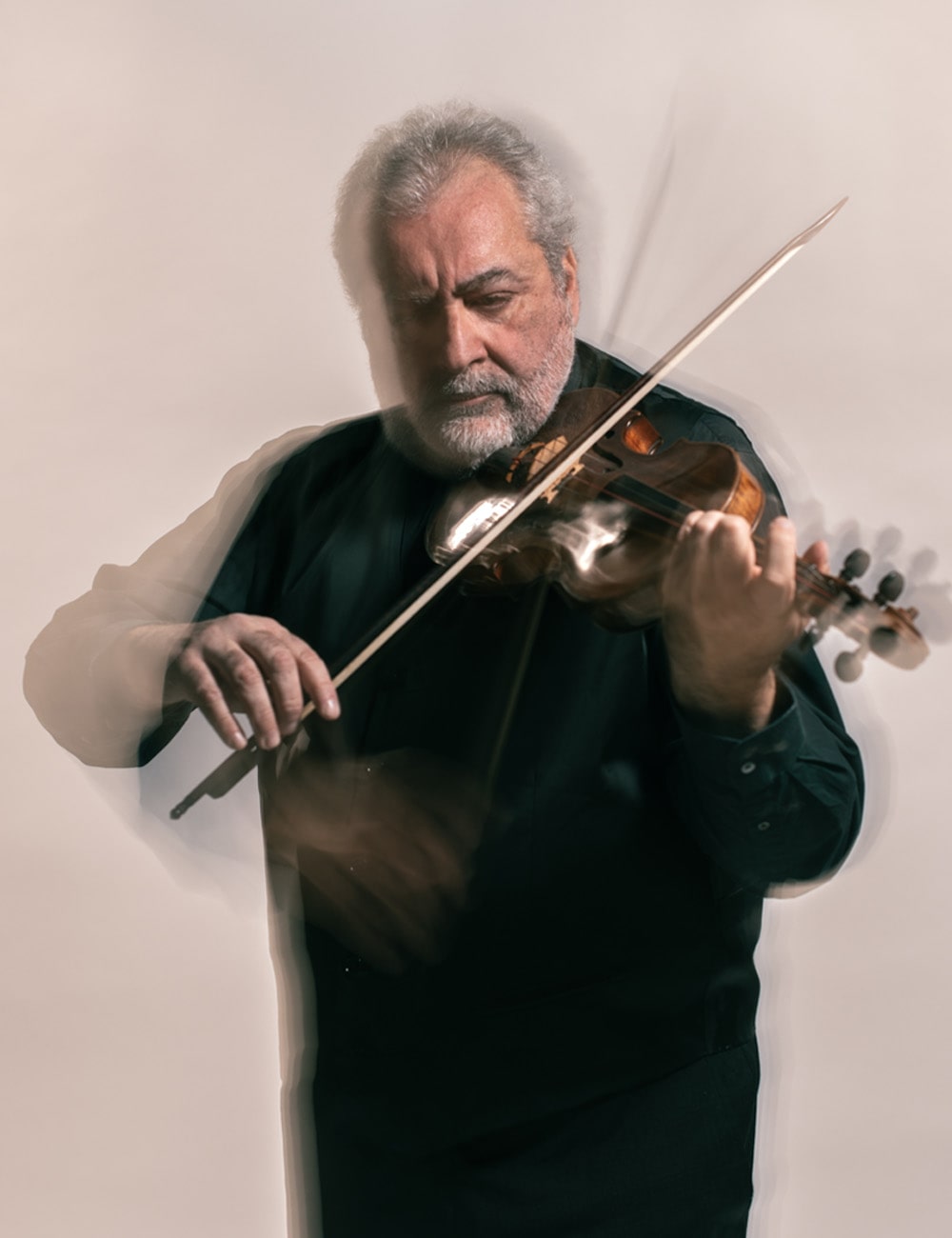
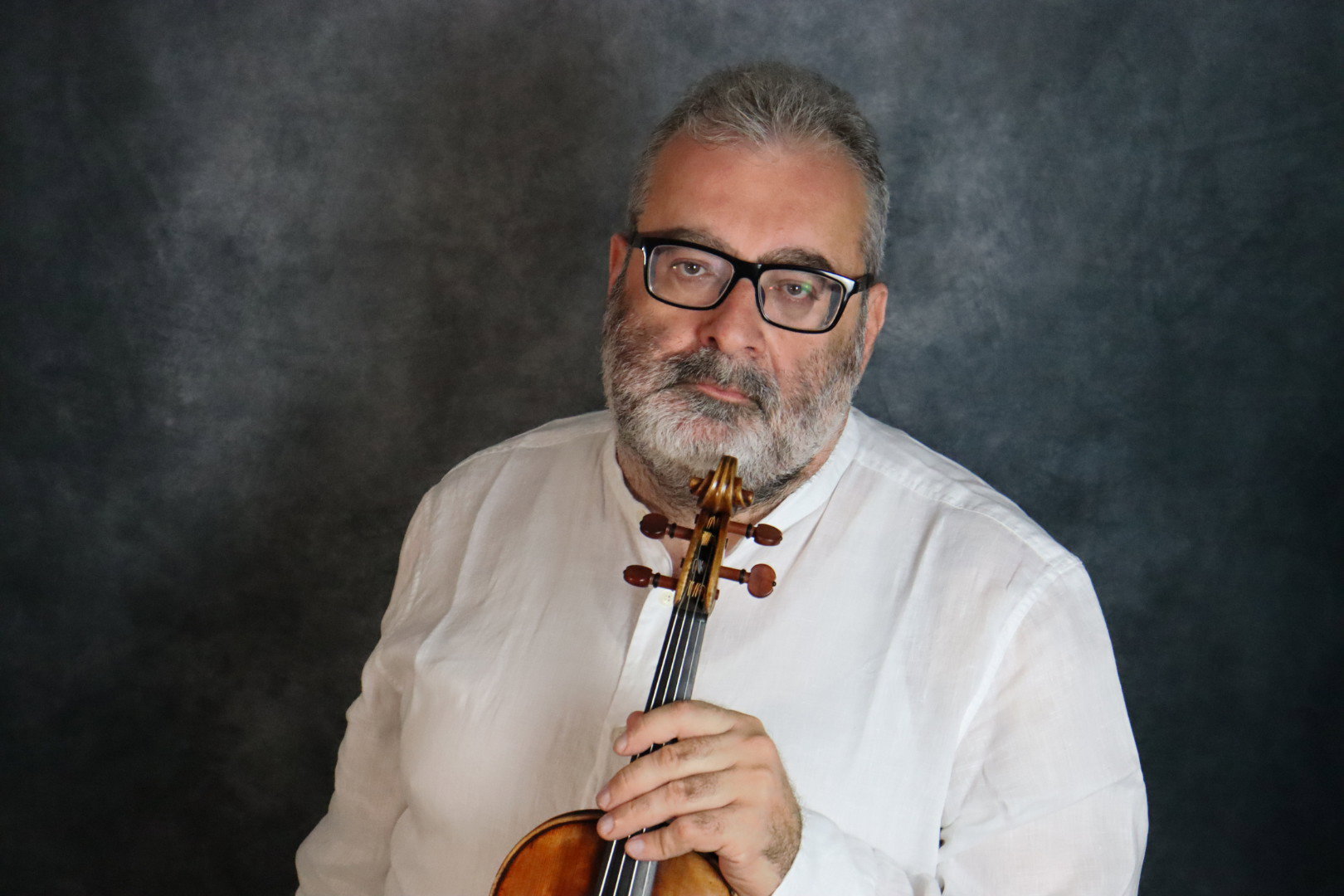
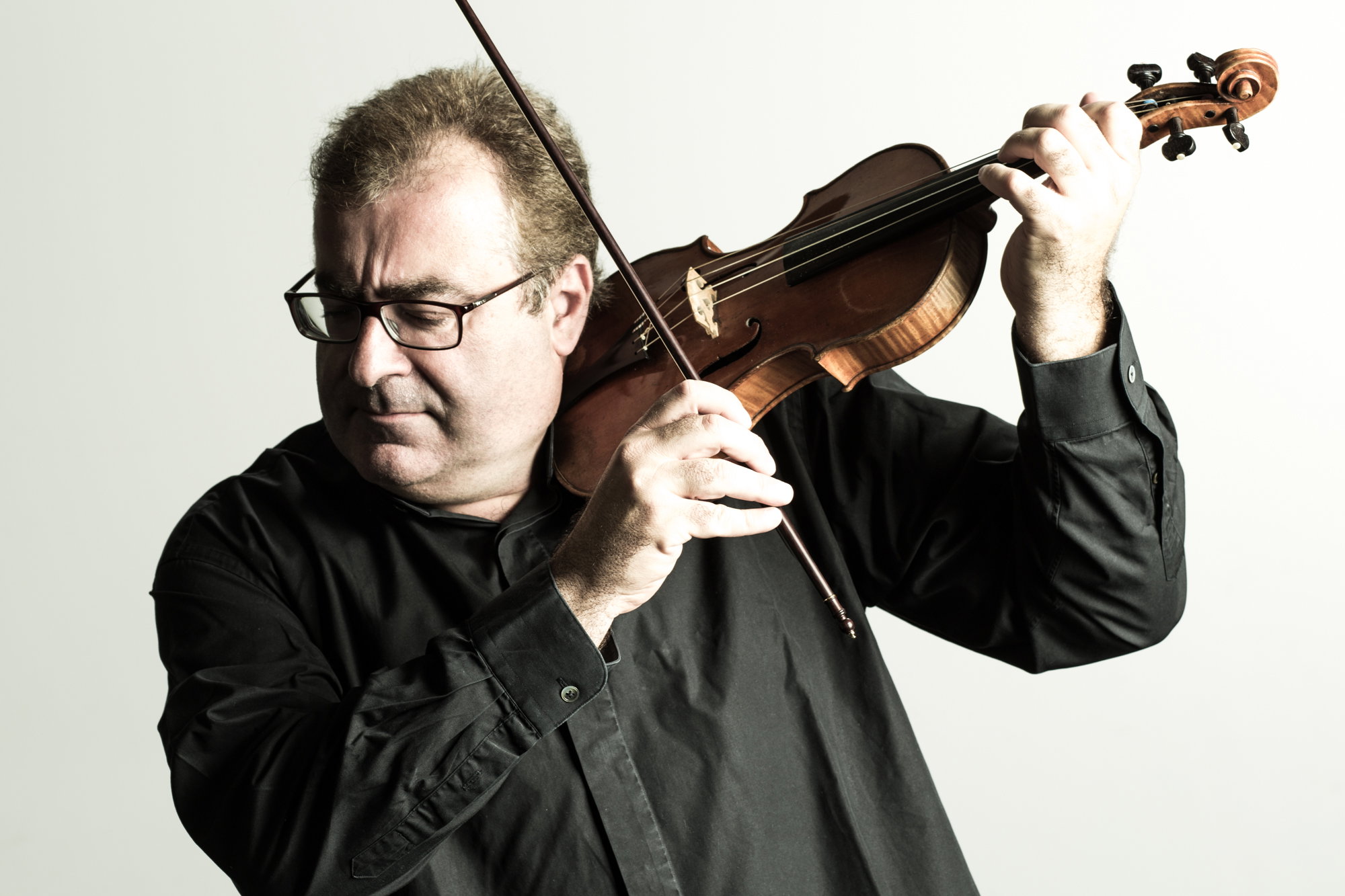
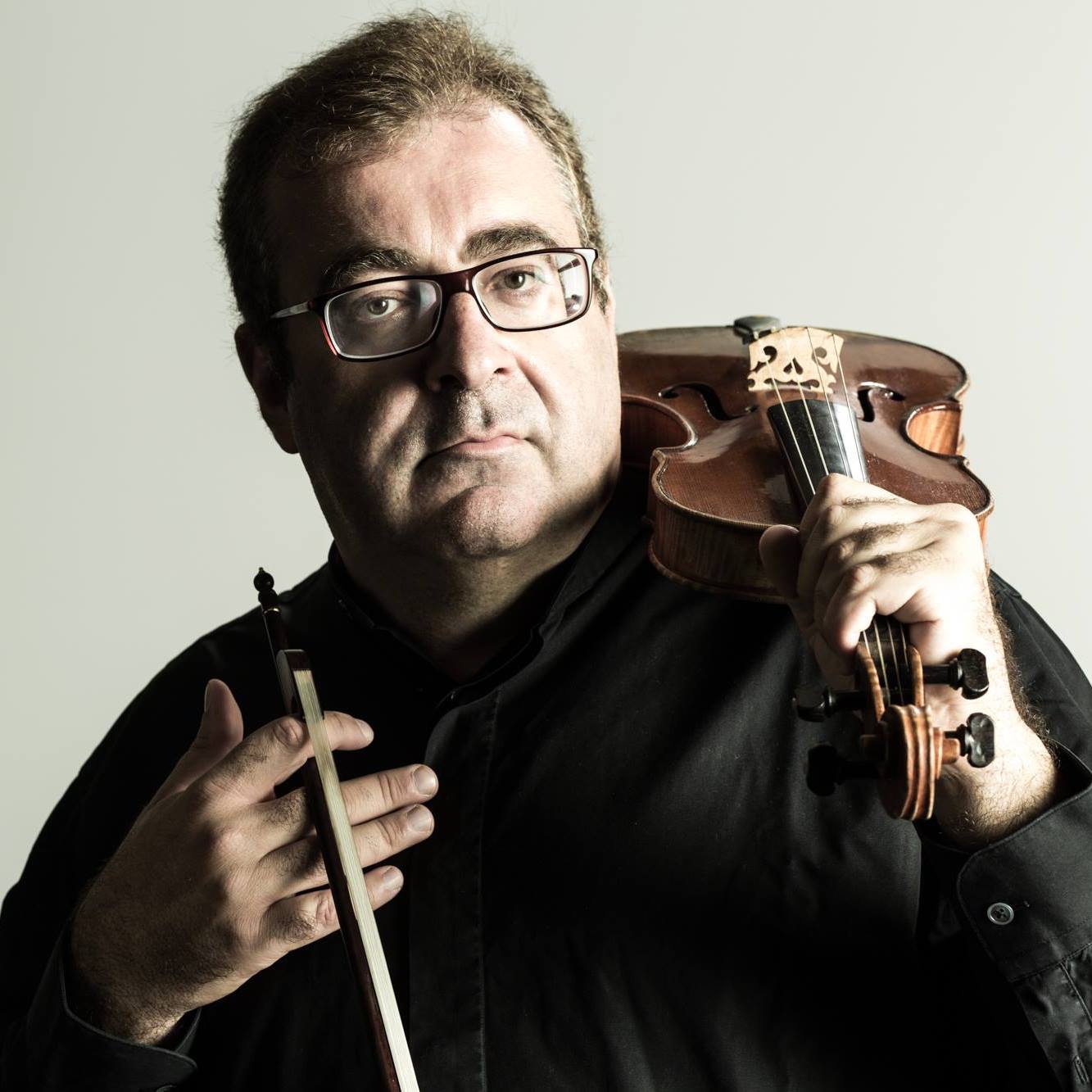
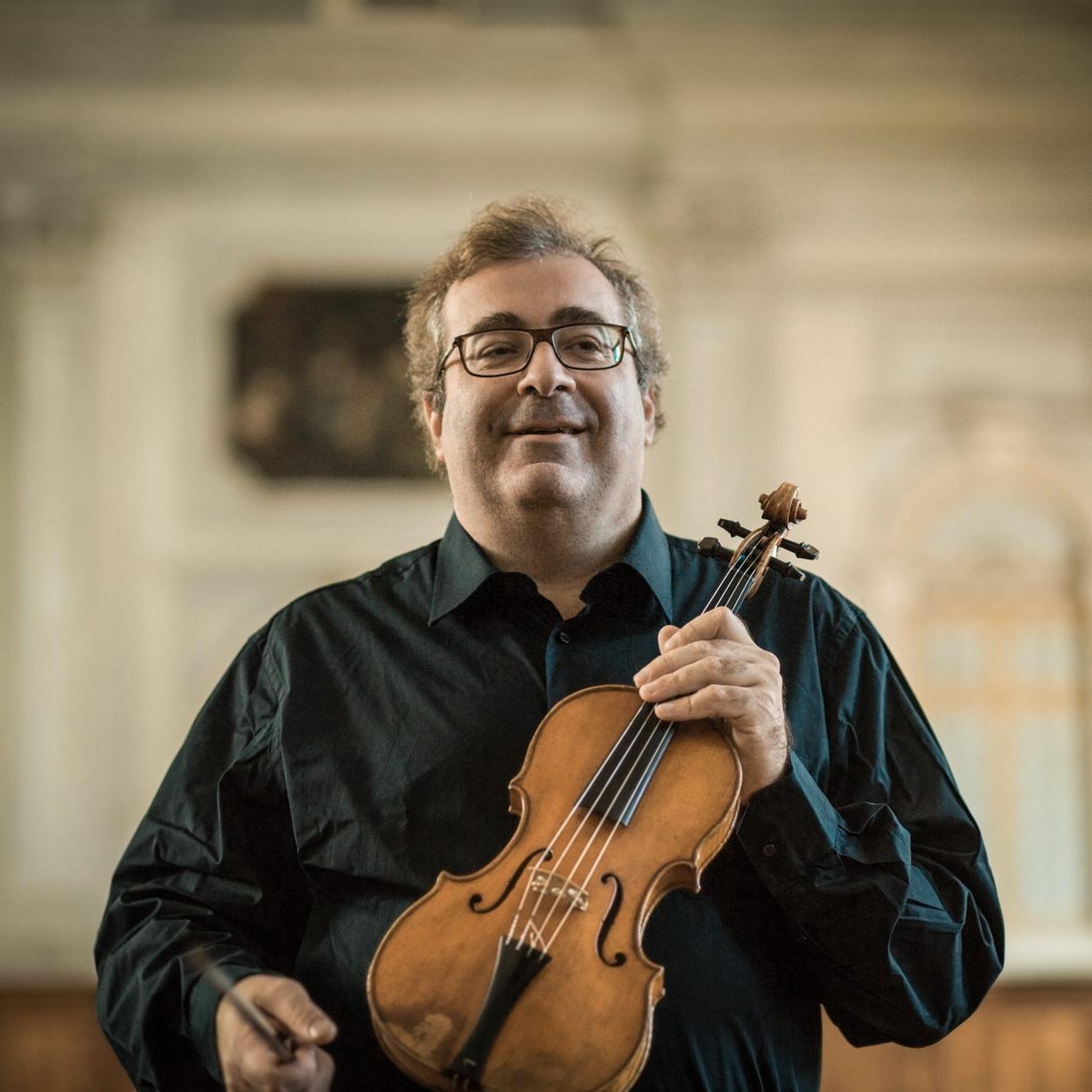
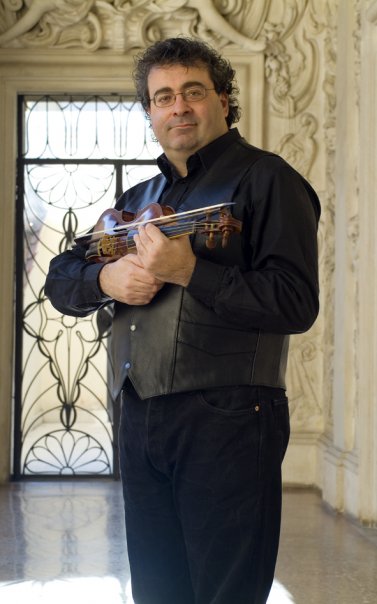
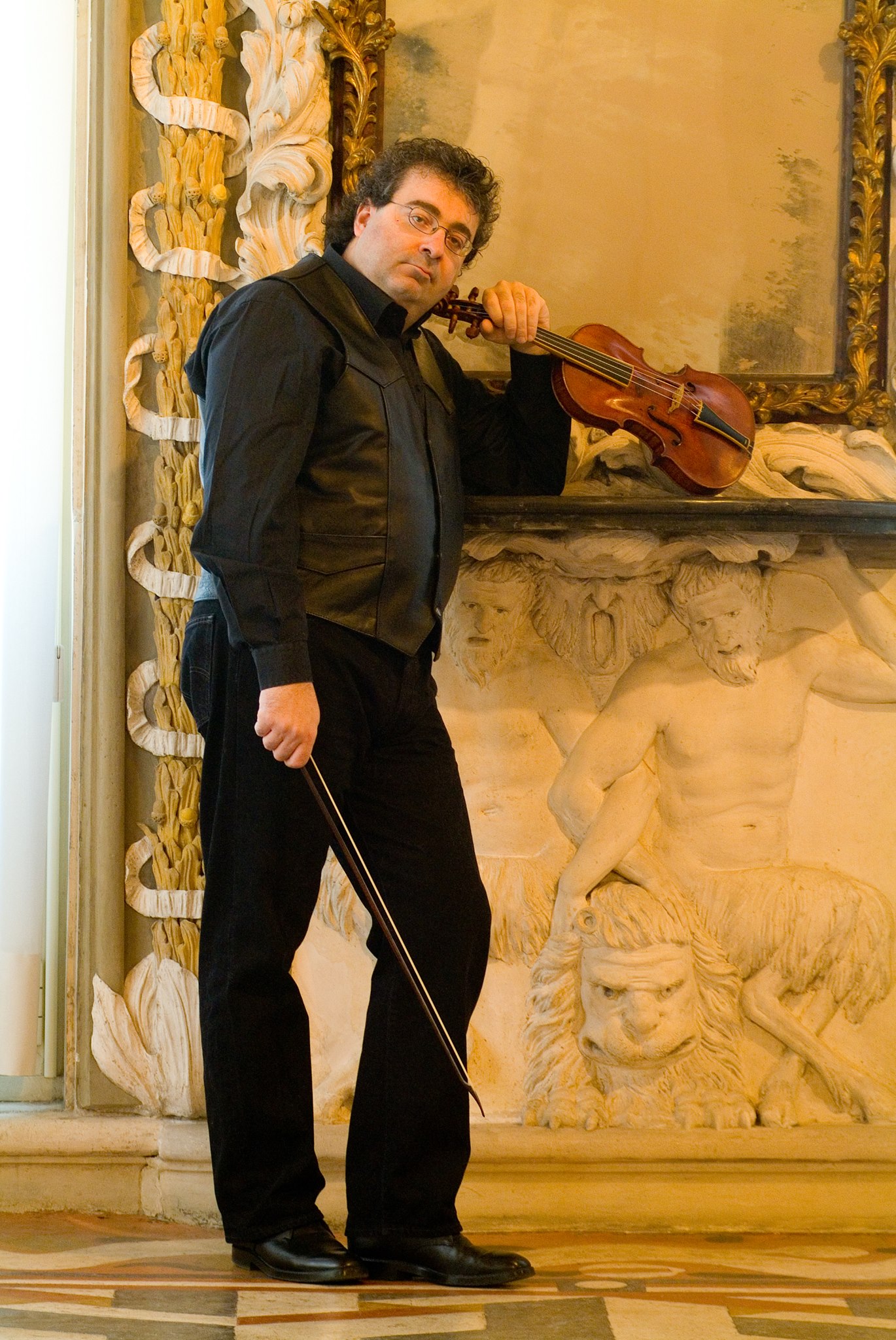
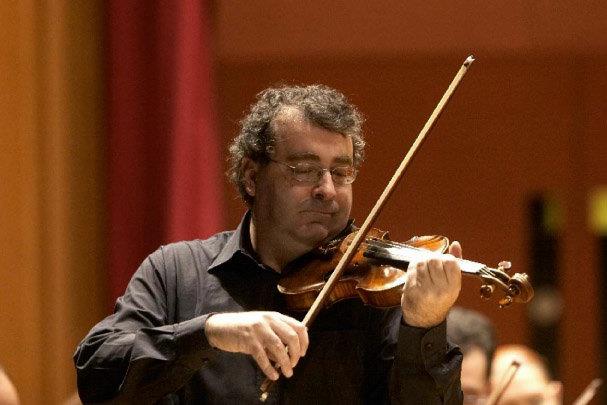
FEDERICO
GUGLIELMO
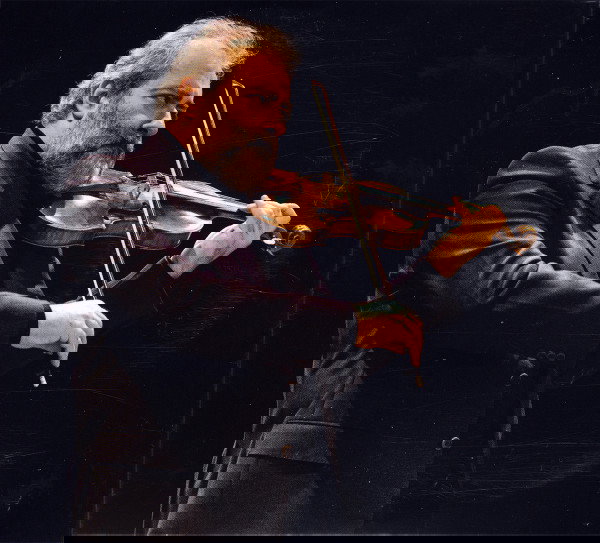
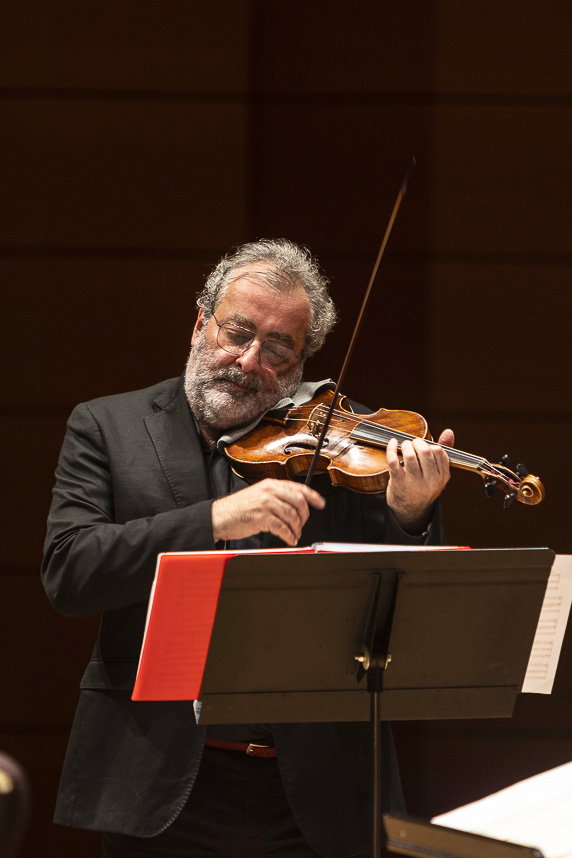
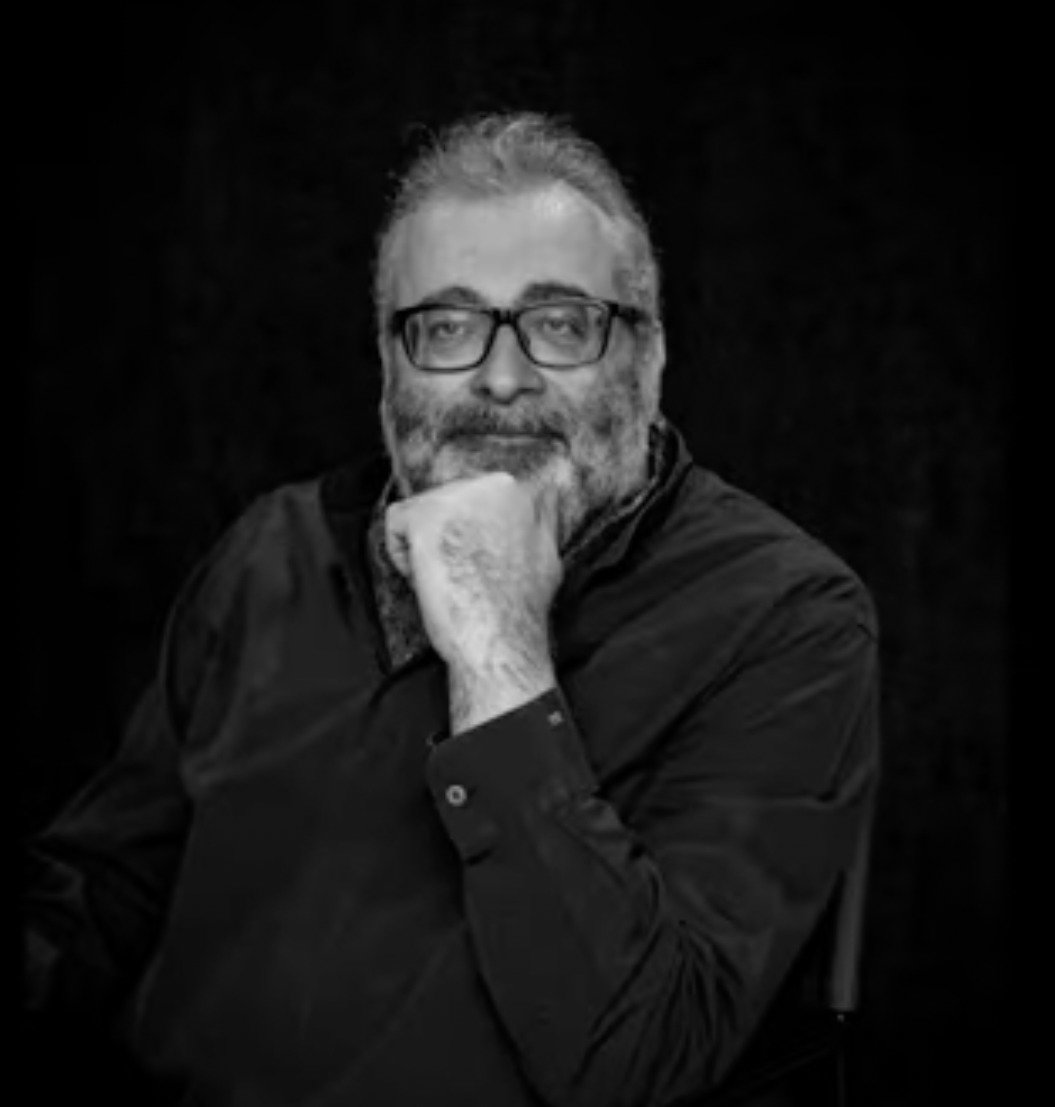
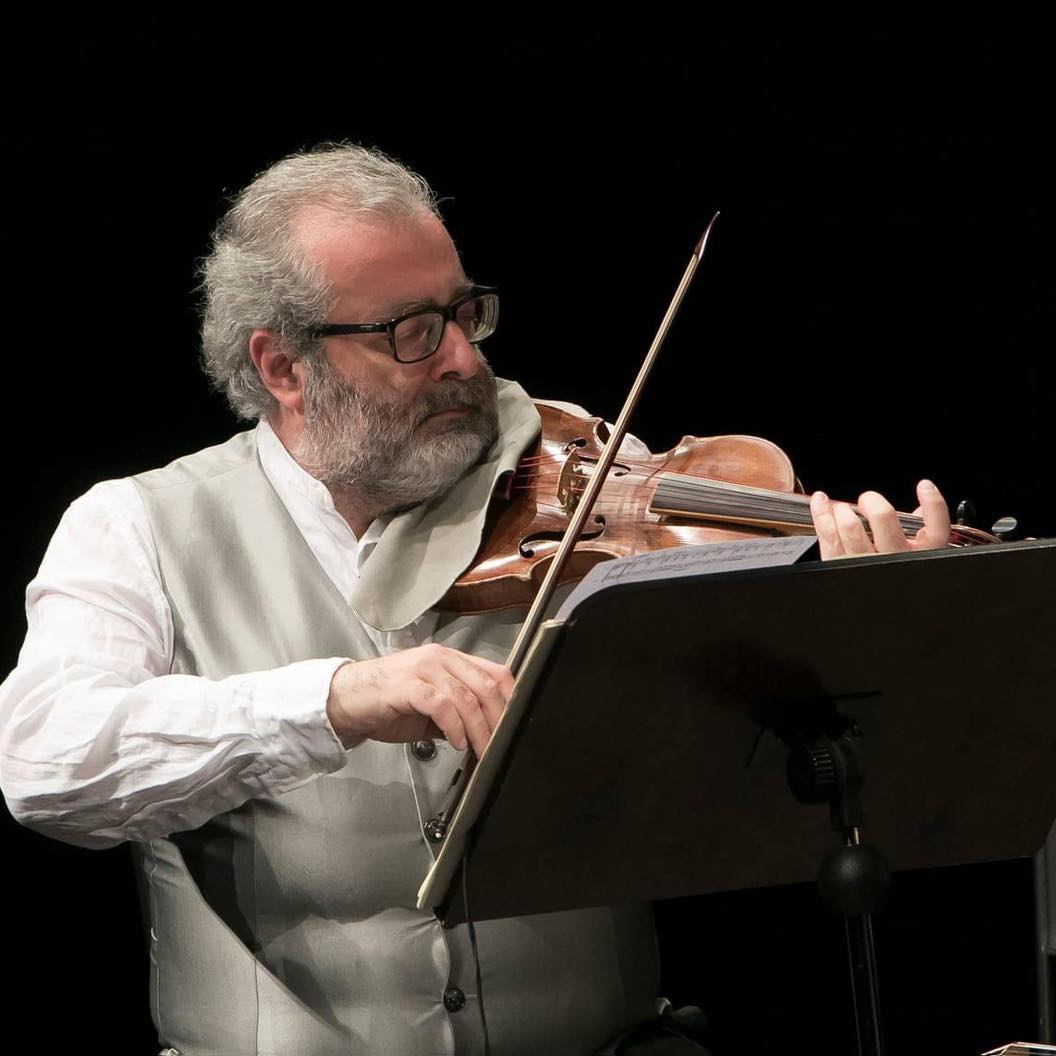
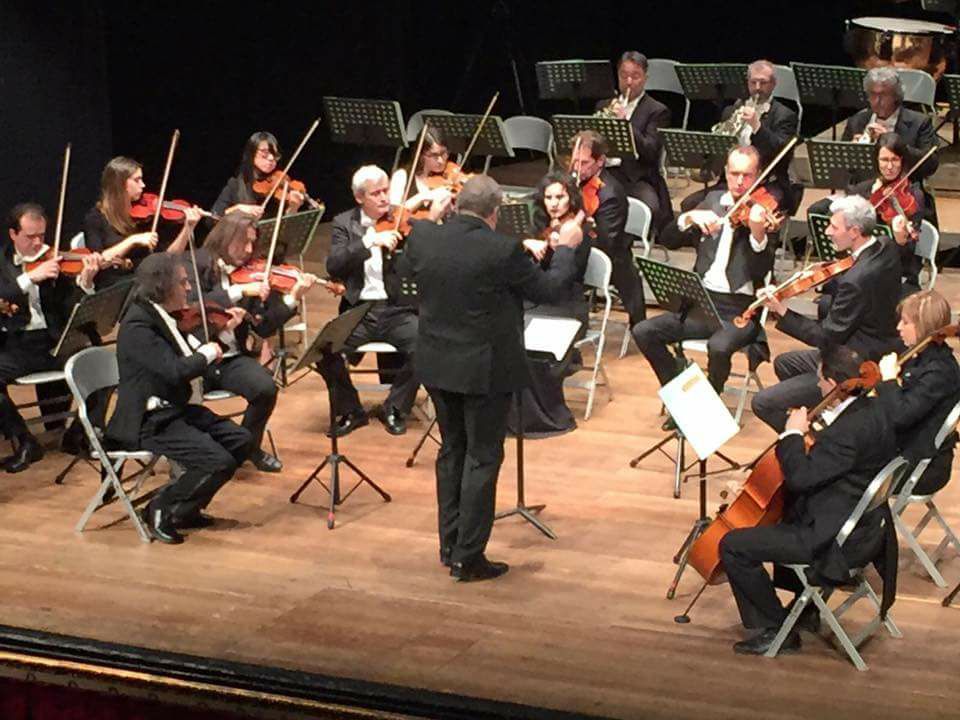
Violinist / Conductor
A prizewinner in several international violin and chamber music competitions, he gained international recognition after winning First Prize at the 1991 Vittorio Gui International Competition in Florence.
Encouraged by Christopher Hogwood, Guglielmo developed a deep interest in the historically informed performance practice, performing on baroque and classical violins. He has appeared both as soloist and conductor with leading period instruments ensembles such as The Academy of Ancient Music (London), The Handel and Haydn Society (Boston), the Orquestra Barroca Casa da Música (Porto) and The Australian Brandenburg Orchestra (Sydney). Among the most significant “hip” experiences are the solo performances of the Beethoven Violin Concerto conducted by Christopher Hogwood, the complete Bach Violin Concertos with Gustav Leonhardt, the first European performance in modern times of the Franz Clement’s Violin Concerto with Reinhard Goebel and various Italian virtuoso violin concertos under Sigiswald Kuijken.
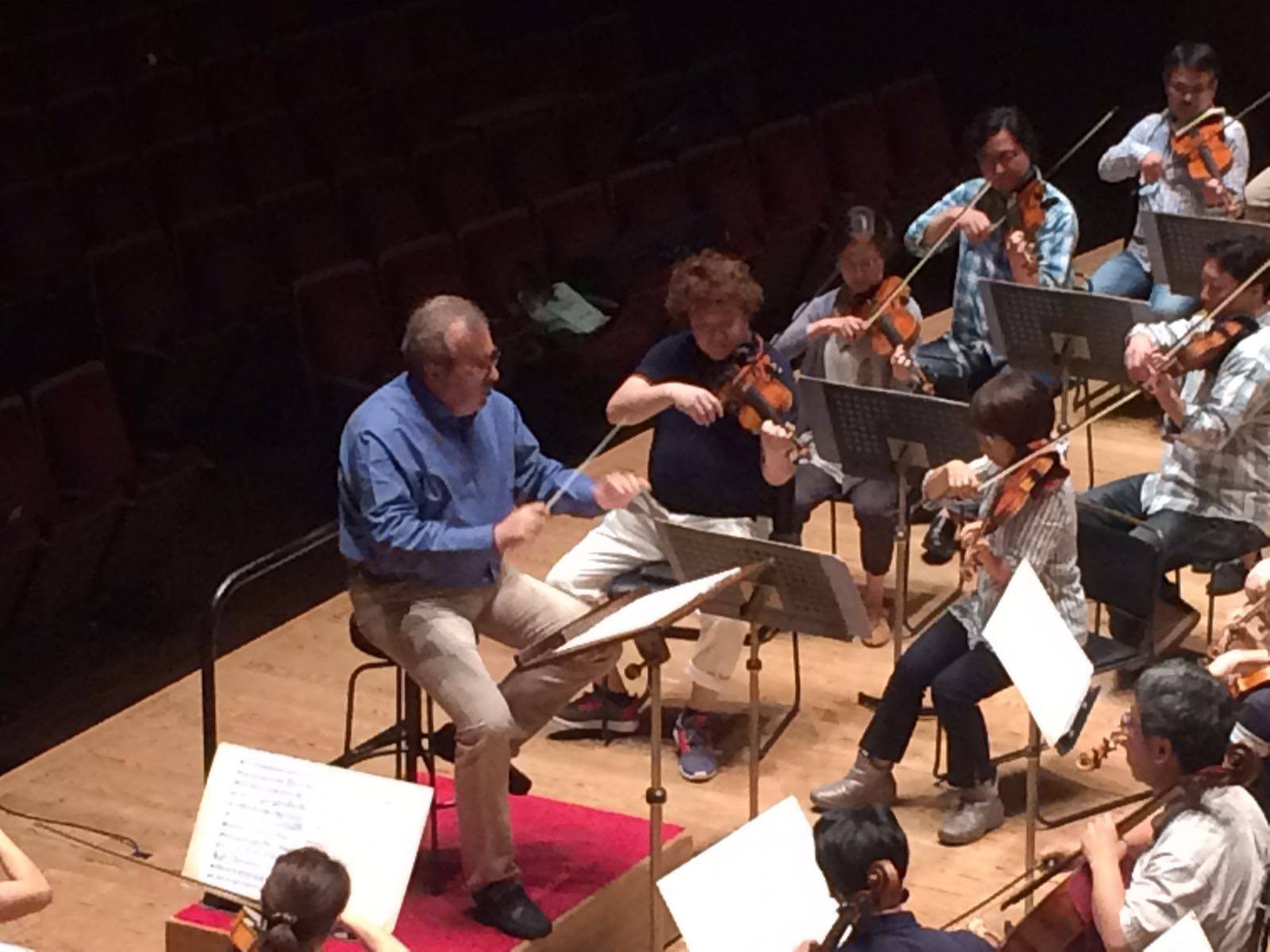
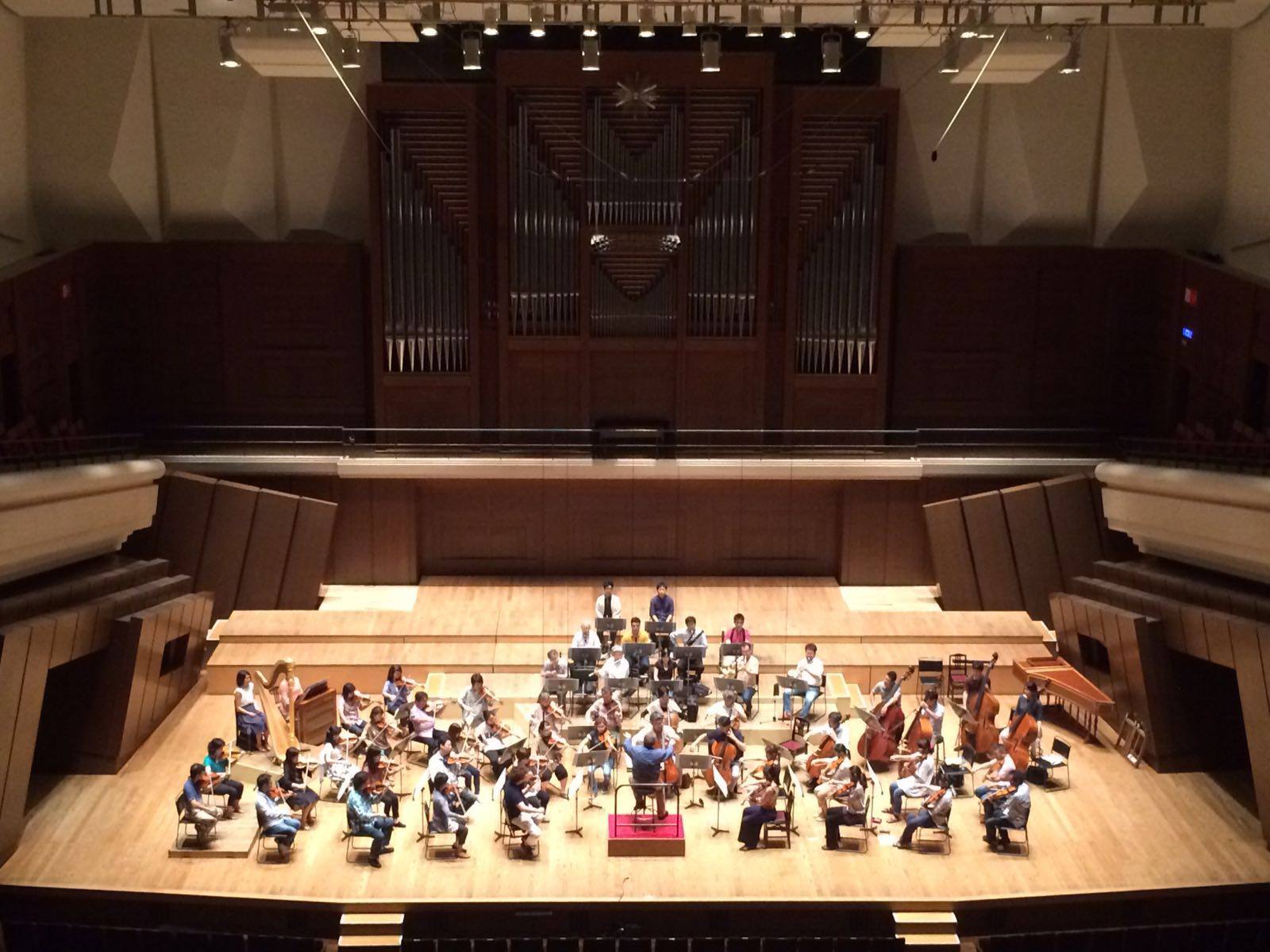
He has also conducted many symphonic and operatic institutions, including the New Japan Philharmonic (Tokyo), the Orchestra del Maggio Musicale Fiorentino (Florence), the Orquestra Filarmonica de Gran Canaria (Las Palmas), the Orchestra del Teatro La Fenice (Venice), Opera Ballet Vlaanderen (Antwerp), the Orchestra del Teatro Massimo (Palermo), the Orchestra del Teatro Verdi (Trieste), the Orchestra di Padova e del Veneto. the Orchestra I Pomeriggi Musicali (Milan), etc.
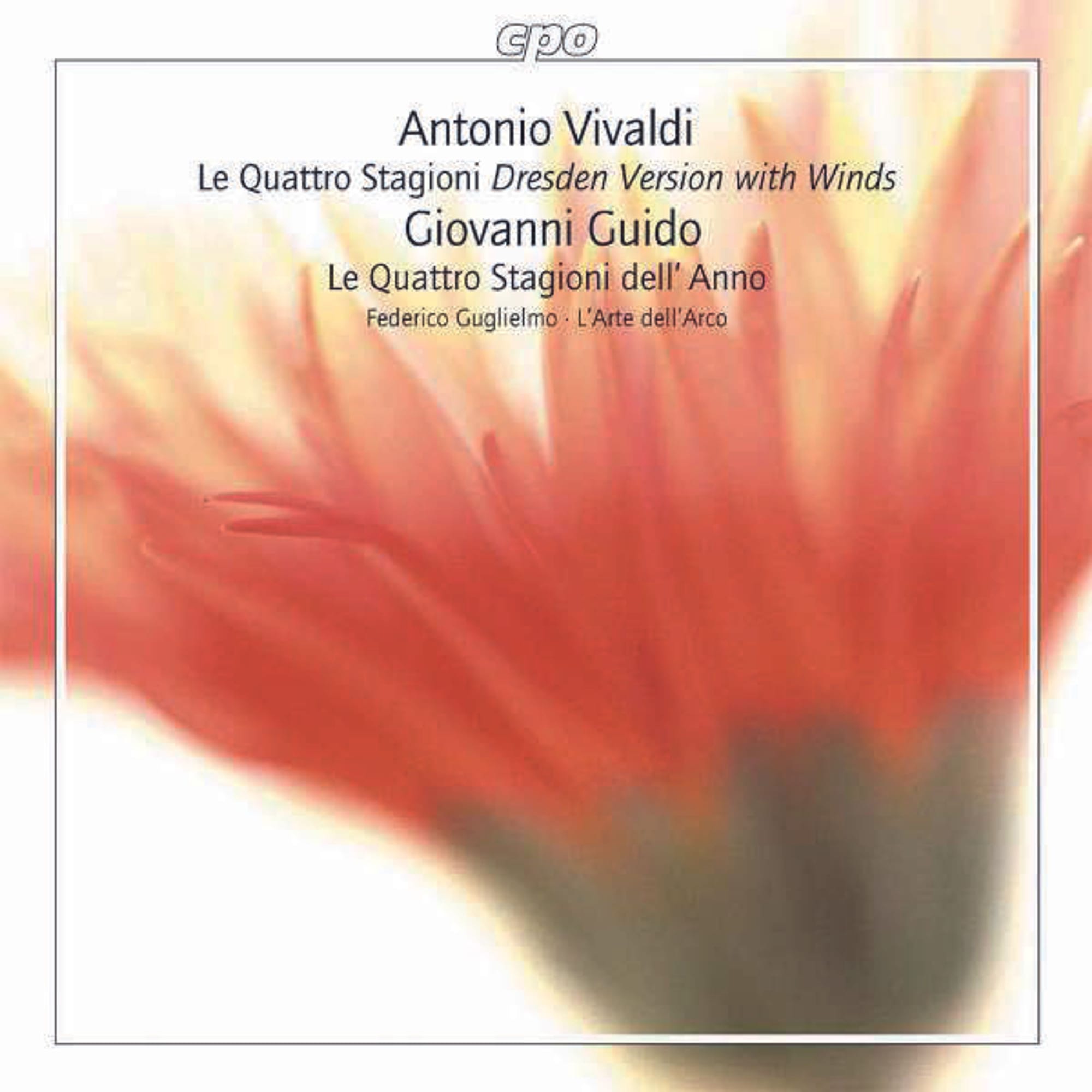
In 1994, he founded L’Arte dell’Arco, an ensemble dedicated to Venetian music of the 17th and 18th centuries, with which he has gained international acclaim for rediscovering and recording rare repertoire.
Among his most distinguished achievements is the award of the prestigious Premio Abbiati (2024) for Best Italian Musical Initiative, received for the modern world première of Pigmalione by Ristori—an important rediscovery that further confirmed his role as a leading interpreter and scholar of Baroque repertoire.
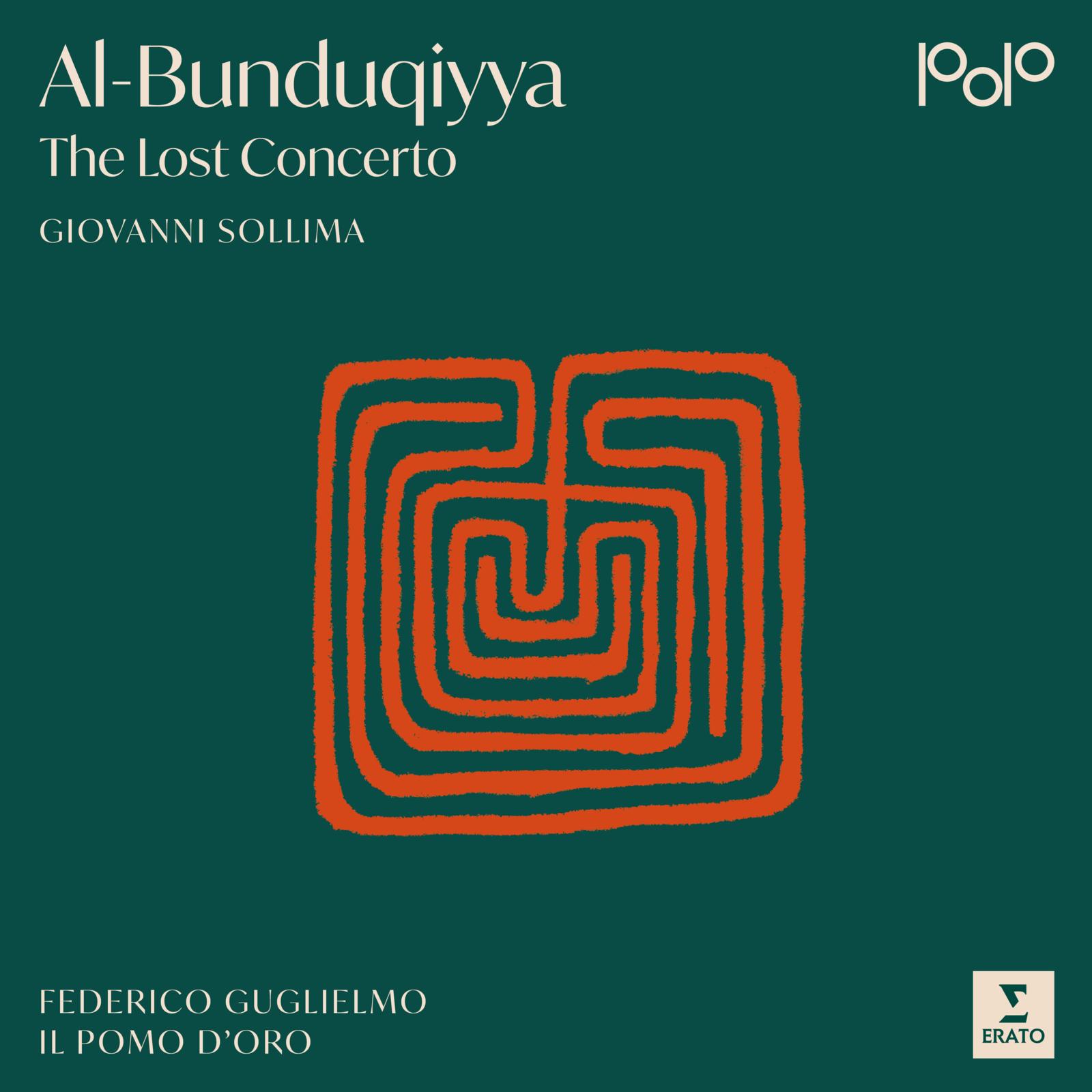
Guglielmo has conducted several Baroque operas, including Paisiello’s La Daunia Felice, Domenico Scarlatti’s La Dirindina, Vivaldi’s first opera Ottone in Villa at the Teatro Olimpico in Vicenza, and Piccinni’s Il finto turco, also in Vicenza. Since 2017 he collaborated wolrdwide al guest soloist/conductor with the period-instrument ensemble Il Pomo d’Oro,
He has performed in many of the world’s most prestigious concert halls, including the Musikverein (Vienna), Wigmore Hall (London), the Società del Quartetto (Milan), the Accademia Nazionale di Santa Cecilia (Rome), the Auditorio Nacional (Madrid), the Herkulessaal (Munich), Carnegie Hall (New York), Suntory Hall, Tokyo Opera City and Bunka Kaikan (Tokyo), Izumi Hall and Symphony Hall (Osaka), and the Teatro Colón (Buenos Aires).
His extensive discography has received numerous awards and widespread critical acclaim. Federico Guglielmo is widely praised for his “sparkling virtuosity,” his “brilliant and engaging interpretations,” and his remarkable stylistic versatility.
News
13 Feb 2026 REVIEW / Baglini-Guglielmo-Pieranunzi
The review of the concert held for the Camerata Romana on January 11th has just appeared on the blog "Il portale del violino".
splendid, engaging, vibrant style (Gramophone)
remarkably convincing, stylistically and technically peerless performances (ClassicToday.com)
Press
THE STRAD, June 2025
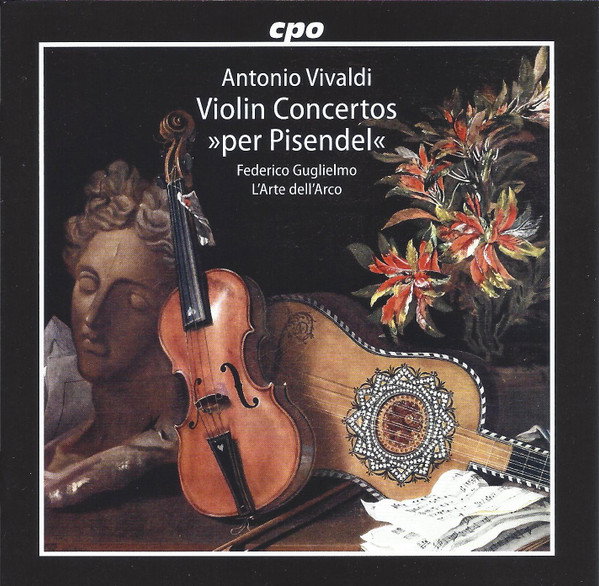
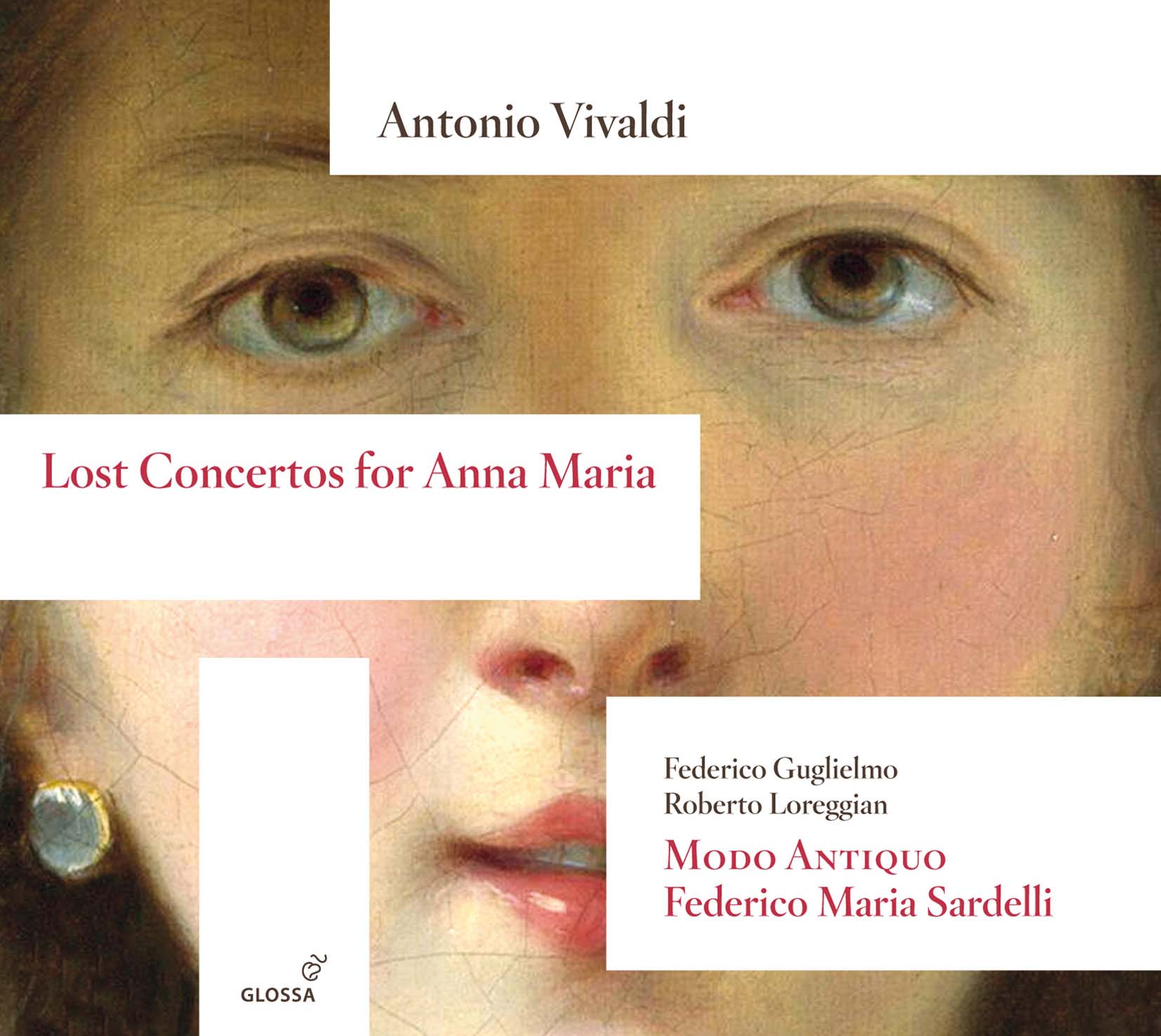
VIVALDI - VIOLIN CONCERTOS "PER PISENDEL" (Cpo) Affection and virtuosity combine to masterly effect Federico Guglielmo celebrates the close bond between Vivaldi and his pupil Pisendel with laudable accounts of five of the seven violin concertos that the Italian tailored to Pisendel’s performing qualities. He plays the outer movements with vitality, vigour and remarkable virtuosity, revelling in the technical challenges of the bariolage figuration in RV237’s first movement, partly ‘borrowed’ from a sonata by Westhoff, the varied bow-strokes and high-register passagework of RV205’s finale – negotiated with substantial accuracy – and the rapid flourishes of the pedal and unaccompanied cadenzas (including a stylish cadenza of his own for RV205’s finale). ... his interpretations are otherwise thoroughly enlightened and warmly communicative. The slow movements are especially well shaped, sonorous and expressive; he conveys the lilt of RV340’s Siciliana with gentle sensitivity and displays an intuitive feeling for affecting ornamentation, notably in RV314 and the sparsely textured, treble-oriented RV205. L’Arte dell’Arco’s minimal forces give maximum pleasure with alert accompaniments, the theorbo and harpsichord/chamber organ contributions providing welcome additional colour and often driving the music forward, as in RV237’s bustling opening movement. The well-balanced recording has just the right mix of clarity and bloom ... ROBIN STOWELL
THE STRAD, March 2017
VIVALDI - VIOLIN CONCERTOS opp.11 and 12 (Brilliant Classics) Guglielmo is muscular and eloquent in Vivaldi's final collections Federico Guglielmo gives persuasive performances of the ten violin concertos in these two collections. ... relaxed when tackling the fast movements’ challenging solo passagework, articulates phrases incisively and performs with spontaneity, breathtaking technical agility and plenty of theatre – witness the dramatic silences in the first movement of op.11 no.5, the slurred staccatos in the finale of op.11 no.2 and the ricochet bowings in the finales of op.11 nos.4 and 5. Alongside this muscularly virtuosic playing are some sublimely lyrical moments, notably in the Andante of op.11 no.2 and the pizzicato-accompanied Largo of op.12 no.6. Guglielmo consistently shapes the line with a simple eloquence that is disarming, combining a clear, cantabile melody with expressive tonal shading and florid extempore embellishment. Guglielmo is generally well supported by L’Arte dell’Arco, whose personnel varies considerably by the opus. The buoyant strings play one-per-part and the continuo instrumentarium is tastefully varied, including some sensitive theorbo accompaniments by Diego Cantalupi in op.12 ...